Teleos EarthWhat we build
How a campus earnsIn kind, not in figures
A campus, and how a developer is paid for it.
Teleos finds the site, earns the permit, brings the partners and keeps a stake. It does not operate data halls and it certifies nothing.
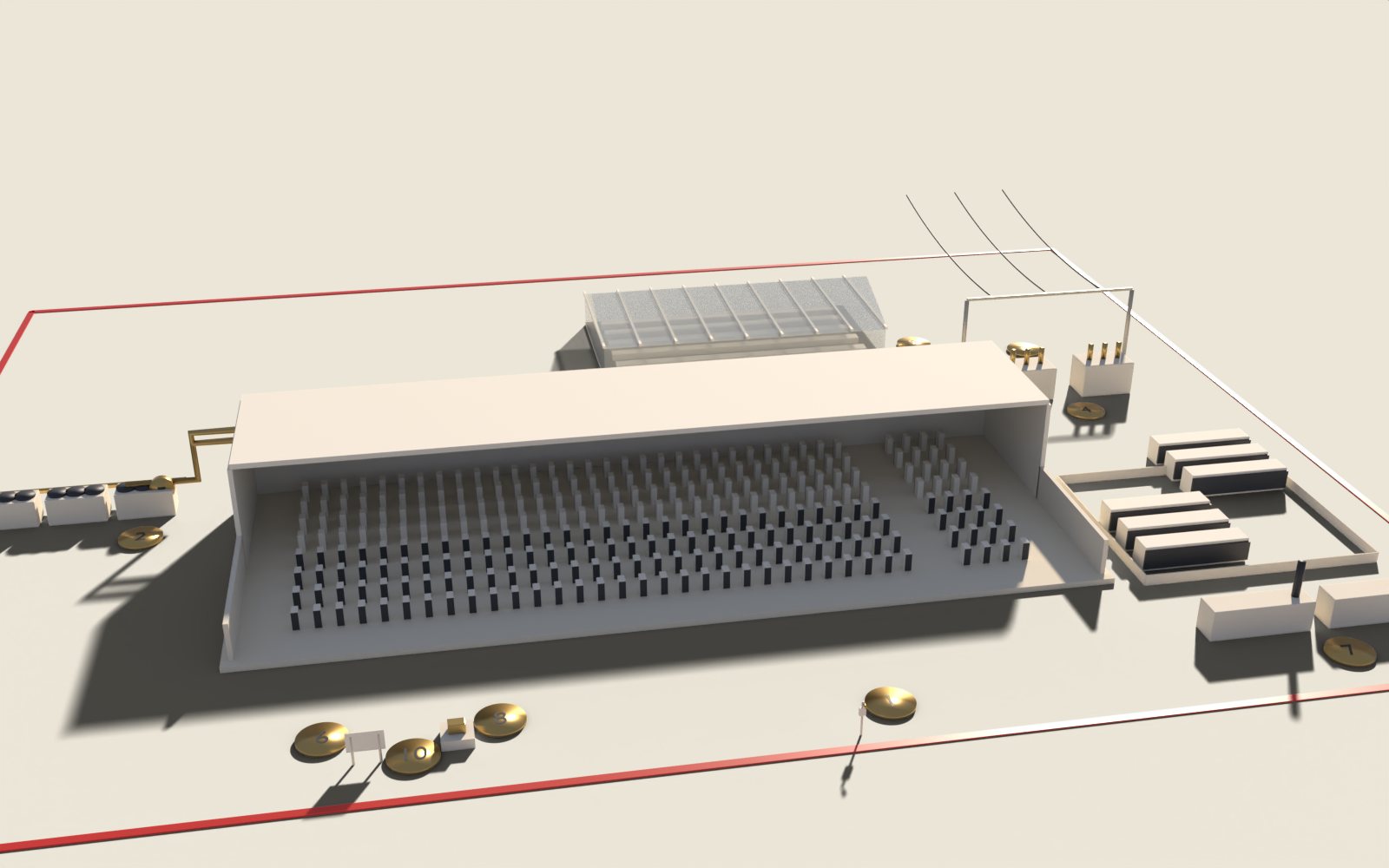
What Teleos does.
Teleos finds sites where stranded or constrained clean power meets a county that will say yes under the Standard; secures land, power and entitlement; signs an anchor or bridge tenant; and brings an energy partner and institutional equity into a campus joint venture. It is paid as developers are paid. It does not operate data halls and it does not certify anything.
The first project is a 25 megawatt pilot that proves the permission and the process. The campuses that follow are of the order of 100 megawatts each.
How a developer is paid.
Three ways, all of them conventional: a development fee at financial close; a share of the profit above a preferred return to the investors, the promote; and the return on a minority stake Teleos keeps in each campus. The pattern is the one Digital Realty and Blackstone, and Equinix and GIC, use at larger scale. The figures belong in the room, not here.
The siting filter.
A site scores on five things, and the county comes before the land.
- Power going to waste. Curtailed or constrained clean generation within reach: wind switched off for want of a load, solar clipped at noon, a nuclear restart, a coal site with its substation and its line.
- An ordinance, not a moratorium. A county that has written rules for data centres in the last eighteen months, rather than banning them: Davidson County, North Carolina; Sioux County, Iowa; Cleveland, Tennessee; Loudoun’s special-exception process.
- A tariff in place. A large-load tariff or a bring-your-own-capacity rule, so the neighbours’ bills are protected before the question is asked.
- Water without a draw. Closed-loop cooling, and no river or aquifer at risk.
- A tenant possible. A bridge tenant now and an anchor later.
The power edge, sized honestly.
Contracted solar with storage, or existing nuclear, costs in the range of $55 to $70 a megawatt-hour against grid markets at $80 to $100. On a 100 megawatt campus that is real and bankable money, and it is what makes the Transitional rung cheaper than the Extractive one, which is the only way a ladder gets climbed voluntarily. It is smaller than the permitting edge, and larger than any certification fee.
The bridge tenant.
Flexible computing load is the proven way to use stranded power while the grid catches up: about 5 gigawatts of it run in Texas through demand response, and the listed operators have been converting to AI leases at scale. Teleos uses a flexible tenant as development-stage revenue at a site the grid cannot yet serve, to finance the substation and the shell, replaced by an anchor as power firms. It is held to every one of the ten commitments and planned for exit at the anchor lease. A tool, not an arm of the mission.
No campus without an anchor.
Lenders will not lend without an anchor lease, and neither will we build. Permission work is paired with an offtaker before financial close; the energy partner is signed before the tenant; and the developer’s name is on the application from the first filing.
The rungs.
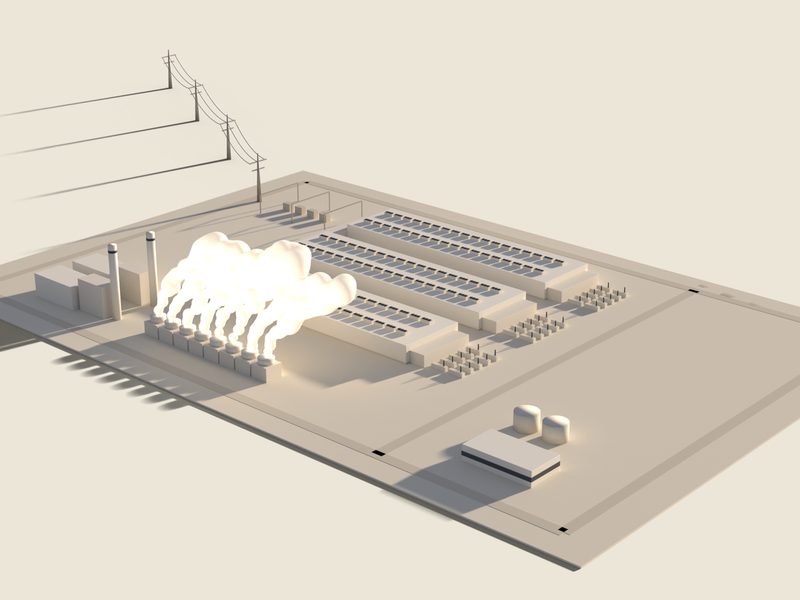
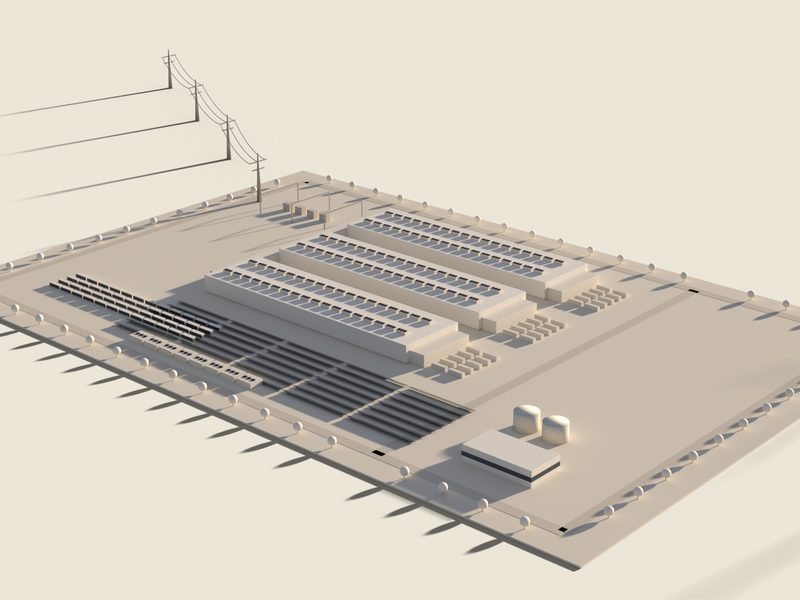
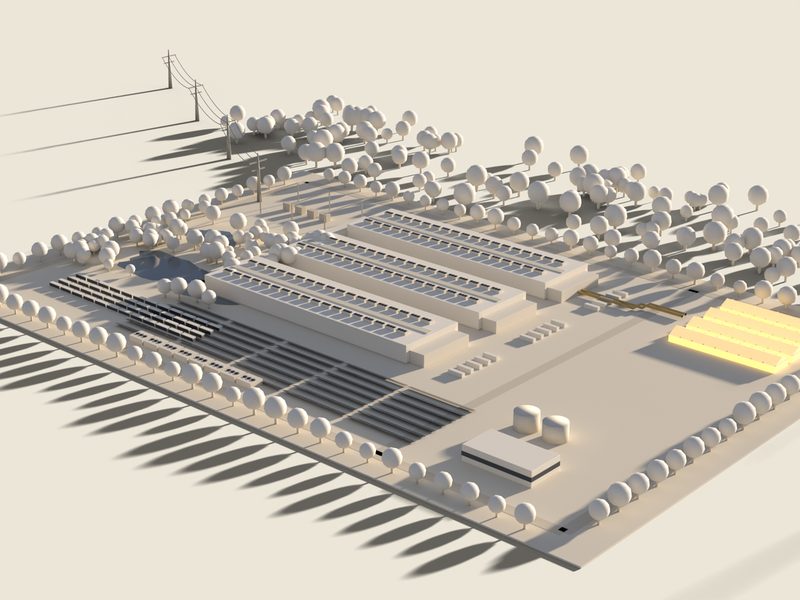
The Standard names three rungs, Extractive, Transitional and Regenerative, and a summit state it calls Beyond Scarcity. Teleos builds for the second rung first, because contracted clean power and closed-loop cooling are cheaper than the alternative, and for the third as soon as the arithmetic allows. How the Standard and Teleos are kept apart.
 I
 II
 III